🎯 BA just cut business-class status bonuses by 60%. Will your travelers book the pricier fare to keep Gold?
From 1 April 2027 the cheapest Club World ticket earns 200 bonus tier points per flight instead of 500. A fully flexible one still earns 800. Bookings made by 24 November keep today's rates. Here's what to tell your travelers before then.
This week
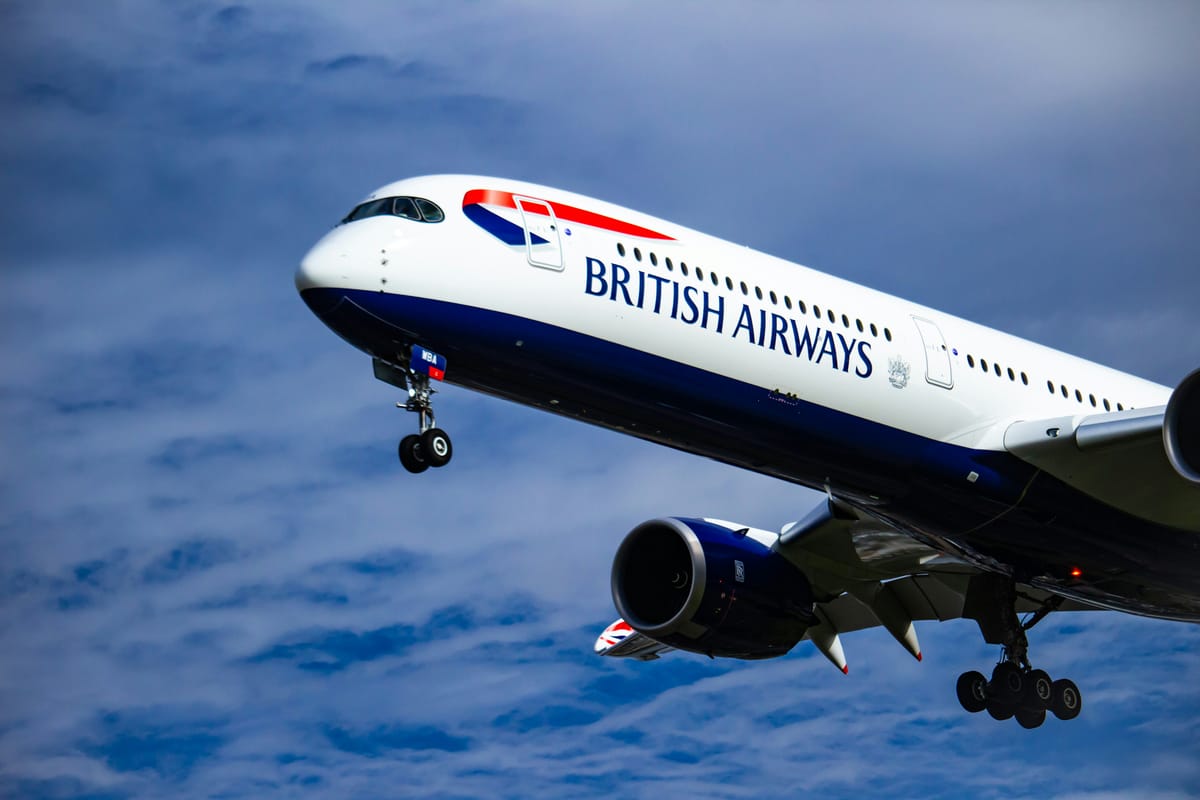
British Airways has just given your frequent flyers a reason to pick a more expensive ticket. On 21–22 October BA published its 2027 changes to The British Airways Club. From 1 April 2027, Silver rises from 7,500 to 8,000 tier points and Gold from 20,000 to 21,000. At the same time BA cuts the bonus tier points on long-haul premium cabins. The cheapest Club World fare drops from 500 to 200 bonus points per flight, a 60% cut. A fully flexible Club World fare drops only from 1,100 to 800. The same long-haul cuts apply when members fly American Airlines and Iberia. Bookings made by 24 November 2026 still earn today's bonuses, even for travel after 1 April. If one of your travelers holds BA Gold, which fare do you think they'll choose next spring?
Why it matters
1. The status reward now sits on the expensive ticket. On a long-haul business flight, a fully flexible fare earns four times the bonus of the cheapest one: 800 points against 200. Today the gap is 1,100 against 500. Base tier points are 1 per £1 of eligible spend, so the pricier ticket earns more there too.
2. Expect requests to book spring trips early. Anyone chasing status has until 24 November to lock in the old bonuses for flights from April. That's useful for trips that are already approved. For trips that aren't, it means early non-refundable tickets you may end up paying to change.
3. Holding status gets harder. The targets go up while the bonuses go down. A traveler who kept Gold this year on the cheapest business fares will need more flights, or pricier ones, to keep it in 2027/28.
What this means for your program
- Pull your BA, American and Iberia long-haul tickets for 2026. Check how many were booked in business on flexible fares, and with what reason. That's your baseline before 1 April.
- Write the fare rule down. Lowest logical fare by default. A flexible fare only with a stated reason, such as dates that might really move.
- Message travelers before 24 November. Approved spring trips can be booked now at today's bonuses. Trips that aren't approved shouldn't be booked yet.
- Watch the flexible-fare share from April. If it goes up while trip patterns stay the same, it's loyalty driving the choice, not the business.
The numbers
- 8,000 / 21,000: the Silver and Gold tier point targets from 1 April 2027, up from 7,500 and 20,000. (LoyaltyLobby, 21 Oct 2026; Head for Points, 21 Oct 2026)
- 500 → 200: bonus tier points per flight on the cheapest Club World fare, a 60% cut. Semi-Flex goes from 700 to 400, Flex from 900 to 600 and Fully Flex from 1,100 to 800. (Turning Left For Less, 22 Oct 2026; Points Well Made)
- 54% and 36%: the cuts to the cheapest First fare (650 to 300) and the non-refundable premium economy fare (275 to 175). Short-haul bonuses are unchanged. (Head for Points, 22 Oct 2026)
- 24 November 2026: the last booking date to earn today's bonuses on flights from 1 April 2027. (Head for Points, 22 Oct 2026)
- 1 tier point per £1: BA's base earning rate on eligible spend, which already rewards the pricier ticket. (British Airways Media Centre)
Two tools built exactly for this moment
A traveler choosing a fare for status looks like any other booking on the invoice. You only see the pattern when every ticket, its fare type and its approval land in one place.
- Travel Code Expense Management →: receipt capture, automatic checks against your policy, and approval routing, with bookings and card transactions reconciled in one ledger. Every flexible long-haul ticket sits next to the trip and the reason it was approved, and everything exports to Excel for your finance team.
- Travel Code Net-60 Card →: 60-day settlement at 0% interest, per-transaction visibility, and budget rules that auto-freeze at 80%. If spring bookings come in early and expensive, you see them line by line the same day, not at quarter-end.
The bottom line
BA hasn't changed what your company pays for a ticket. It has changed which ticket pays off most for your traveler. From April, the cheapest business fare earns a quarter of the bonus a fully flexible one does, and the status targets go up. Some travelers will close that gap with your budget. Set the fare rule now, tell travelers about the 24 November deadline, and track the flexible-fare share from April. Then any status they earn comes from trips the business needed anyway.
What's new at Travel Code
Did you know travelers now see exactly which rule an out-of-policy fare breaks? When an airfare falls outside your travel policy, Travel Code shows the reason, such as a price limit or a cabin class that isn't allowed, while the traveler is choosing the fare and again in the basket. A flexible business fare picked for status gets flagged before it's booked, not on the invoice. (Changelog →)
Sources
- Head for Points — BA increasing tier point requirements for Silver and Gold status (21 Oct 2026)
- Head for Points — BA cuts bonus tier points on flights by up to 60% (22 Oct 2026)
- LoyaltyLobby — British Airways increases tier point requirements from April 1, 2027 (21 Oct 2026)
- Turning Left For Less — BA increases tier points required and reduces TP bonus (22 Oct 2026)
- Points Well Made — BA is raising Silver and Gold tier point targets, and cutting long haul bonuses
- British Airways Media Centre — The Club gets more rewarding (5 Feb 2025)
Travel Code helps corporate travel and finance teams see, control, and reconcile every dollar of trip spend in one platform. travel-code.com · Expense Management · Net-60 Card