🧾 €250 decides which German hotel bills still count in January. Which side is your next trip on?
Germany's finance ministry published new e-invoicing guidance on 15 October. From 1 January, larger German hotels must send business guests a structured e-invoice, and a PDF won't do. Train and plane tickets are exempt. Here's what to fix before the first January trip.

This week
Germany's finance ministry just published its last major guidance before the e-invoice deadline. In its 15 October letter, the BMF covered corrections, discounts and gross-price invoices. It also addressed how sellers with many walk-in customers find out whether a customer is a business. From 1 January 2027, any German business with more than €800,000 in 2026 turnover must send other German businesses a structured e-invoice (XRechnung, ZUGFeRD or another EN 16931 format) instead of a PDF or paper bill. Two exemptions matter for travel: invoices of €250 or less and passenger transport tickets. Your flights and train tickets are exempt. A three-night stay at a large Frankfurt hotel typically is not. If your company has a German entity, your travellers will be checking in at hotels that need to know, before they issue the bill, that the guest is a business and which company to invoice. Will yours?
Why it matters
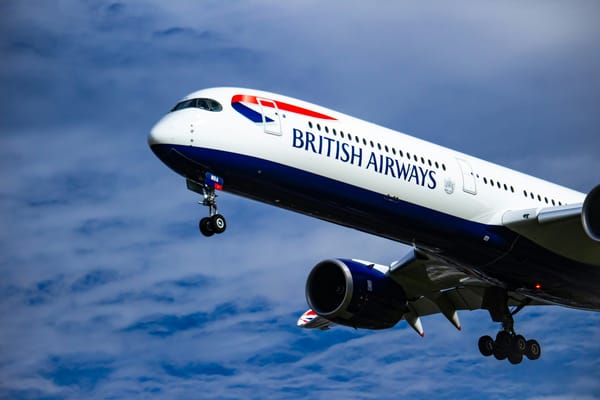
1. Hotels are the travel expense that falls under the rule. Air and rail tickets are exempt permanently. Small receipts under €250 (a taxi, a lunch, a one-night budget stay) can stay on paper. That leaves hotel bills, conference venues and car rentals over €250 as the main travel costs where a PDF from a large supplier stops being a proper invoice in January.
2. A wrong invoice can cost you the VAT. Baker Tilly warns that a document that doesn't meet the format rules "is generally not considered a valid e-invoice under German law" and "typically does not qualify for input VAT deduction." Haufe also notes that the new BMF letter still doesn't say what happens to input VAT when a supplier sends an ordinary invoice where an e-invoice was required, for supplies after 2026. That question is still open, so plan as if the strict reading applies.
3. The hotel has to know at check-in that the guest is a business. The new letter says that in mass business with a mixed customer base, it is enough to establish the customer's status at the start or when the contract changes. A hotel serving both tourists and business guests will decide at booking or check-in. If your traveller doesn't give the company name and address then, the bill goes out as a private receipt, and fixing it later means an invoice correction, one of the topics the new letter covers.
What this means for your program
- Map which entities are in scope. The mandate only applies when both the supplier and the company being invoiced are established in Germany. List the entities in your group that are, and the travellers who book on their behalf.
- Put the invoice details in every booking. The legal entity name, billing address and VAT ID should travel with each hotel reservation, whether it's booked through your platform, your TMC or directly. Don't rely on the traveller remembering them at the front desk.
- Ask your top German hotels, and your TMC, how January will work. Who issues the invoice for prepaid stays, in which format, and where does the XML go: to the traveller's inbox, to accounts payable, or to an e-invoicing mailbox? Get it in writing before the first January stay.
- Separate the €250 line in your expense process. Small receipts keep the old process. Hotel bills over €250 from large German hotels should go to whoever can receive and check a structured e-invoice. A photo of the bill won't be enough for the VAT claim.
The numbers
- 1 January 2027 and €800,000: German businesses with more than €800,000 turnover in 2026 must issue structured e-invoices for domestic B2B supplies. Paper and PDF stay allowed for everyone only until 31 December 2026, and EDI (with the recipient's consent) until 31 December 2027. (Baker Tilly, 17 Aug 2026)
- €250: invoices up to and including €250 in total, and passenger tickets, are permanently exempt and can still be issued as ordinary invoices. (t-nex, updated 10 Sep 2026; Haufe, 16 Oct 2026)
- 15 October 2026: date of the BMF's supplementary letter (III C 5 - S 7287-a/00019/021/017). It covers invoice corrections, discounts, gross-price invoices and customer status in mass business. (PwC Germany, 15 Oct 2026; VATupdate, 16 Oct 2026)
- 1 January 2028: the obligation extends to all remaining German businesses, including those under €800,000. (Avalara VATlive)
- €48.6B, 116.1M trips, €418 per trip: Germany's business travel market in 2025. Trips rose 8.3% while the average cost per trip fell 4.8%. (VDR Business Travel Analysis 2026)
Two tools built exactly for this moment
The e-invoice rule turns one hotel bill into two problems: making sure it's addressed to the right company, and making sure it gets to the people who can claim the VAT. Both are easier when every booking and every receipt is in one place.
- Travel Code Expense Management →: receipt capture, automatic checks against your policy, and approval routing, with bookings and card transactions reconciled in one ledger. Hotel spend sits next to the trip it belongs to, so finance can see which bills still need a proper invoice. Everything exports to Excel for your accounting team.
- Travel Code Net-60 Card →: 60-day settlement at 0% interest, per-transaction visibility, and budget rules that auto-freeze at 80%. Every hotel charge shows up line by line the same day, so you can match it to an invoice before the VAT period closes.
The bottom line
Your plane and train tickets are exempt. Your hotel bills mostly aren't. From 1 January, a large German hotel's PDF is no longer a valid invoice for a stay over €250 billed to a German company, and the BMF says sellers with mixed customers only have to establish whether you're a business once, at the start. That leaves about ten weeks to make sure every booking carries the right company details, and every structured invoice reaches someone who can process it. Fix it now and January is routine. Leave it, and you'll be correcting hotel invoices and losing VAT on them.
What's new at Travel Code
Did you know you can make a receipt mandatory for hotel expenses? In the Travel Code Expenses module, admins set rules for each category (transport, meals, hotel and so on): spending limits, whether a receipt is required, and which categories are banned. Each expense is marked as in or out of policy automatically. Employees add receipts from a photo or by forwarding them to a personal address, and finance exports everything to Excel. (Changelog →)
Sources
- Haufe — BMF: Ergänzende Regelungen zur E-Rechnung (16 Oct 2026)
- PwC Germany — BMF: Ergänzende Regelungen zur elektronischen Rechnung (15 Oct 2026)
- VATupdate — New BMF guidance adds further clarity to mandatory B2B e-invoicing rules (16 Oct 2026)
- Baker Tilly — Getting ready for Germany's 2027 e-invoicing mandate (17 Aug 2026)
- t-nex — German e-invoicing 2027: deadlines and exceptions (updated 10 Sep 2026)
- Avalara VATlive — Germany e-invoicing
- VDR — Geschäftsreiseanalyse 2026
Travel Code helps corporate travel and finance teams see, control, and reconcile every dollar of trip spend in one platform. travel-code.com · Expense Management · Net-60 Card